


Most wellness practices exist outside of work. They’re found on weekends, in studios, or in apps you only open when you remember to.
Maia Wellness was created to change that, by bringing effective tools into the environment where people need them most.
Meet the Founders
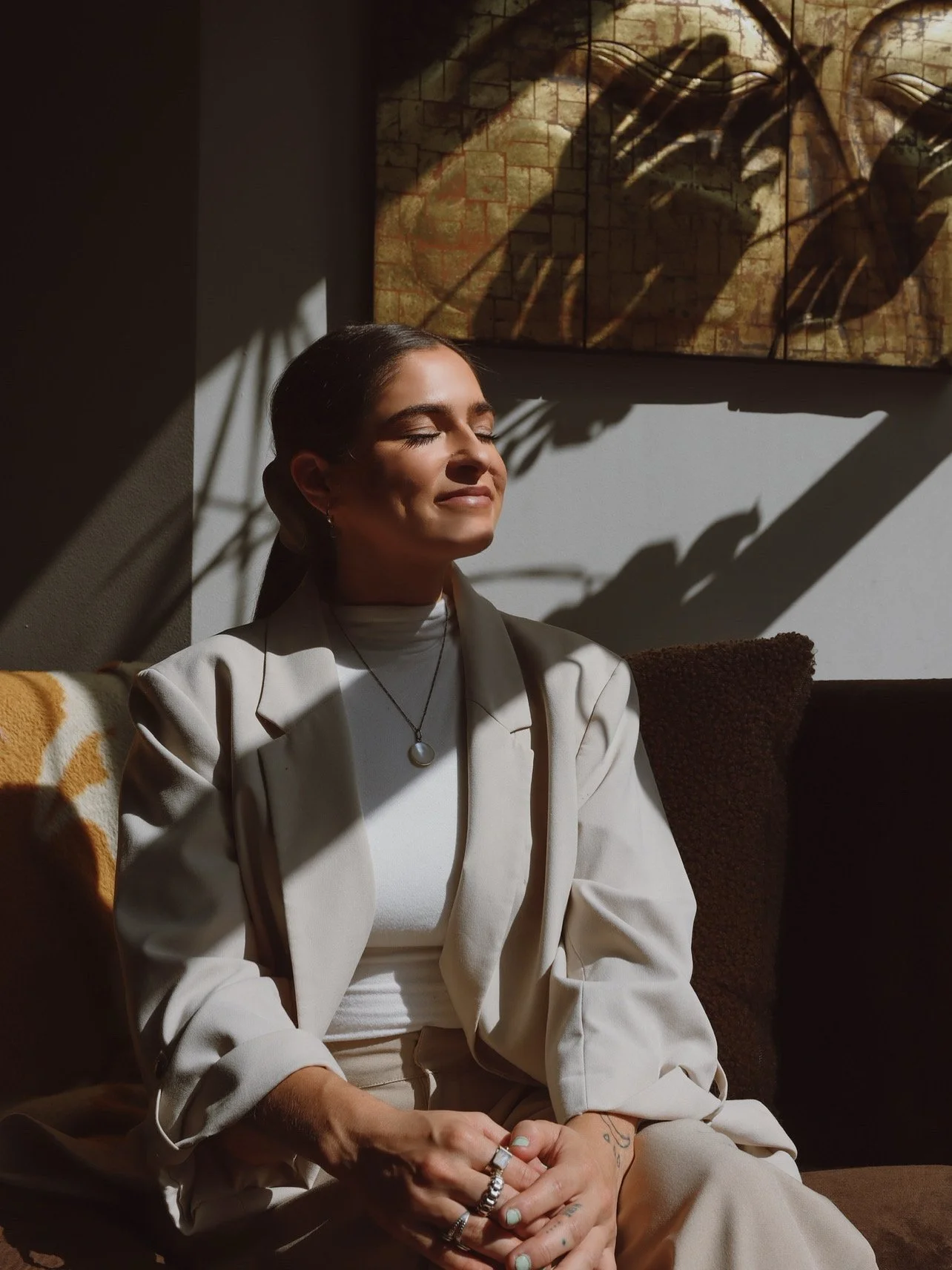
Leah and Madi met during a 200-hour Yoga Teacher Training in Pittsburgh, and have been working together ever since to bring more wellness into people’s lives.
They bring years of experience leading groups, facilitating workshops and retreats, and teaching yoga to diverse audiences all over the United States.
Both know what it’s like to be stressed and burned out. They knew which practices would help, but finding the time to do them was the real obstacle.
So they asked this question: what if the practice were built into the workday?
As Registered Yoga and Meditation Teachers, the pair helps individuals and teams build wellness into the workday so people can reach their fullest potential, both personally and professionally.

WHAT WE BELIEVE:
ONE
Work is a significant part of a human life. Not just in hours, but in weight. What people experience at work shapes how they feel, how they think, and who they are by the time they get home. That is not a small thing.
TWO
And it means organizations carry more influence over human wellbeing than most of them realize. We believe that influence should be used deliberately.
THREE
Burnout is not inevitable. Disengagement is not a personality flaw. Chronic stress is not the price of ambition. These are conditions. And conditions can be changed when organizations make the decision to change them.
THE CASE FOR THE NERVOUS SYSTEM
Everything we do at Maia Wellness works through one mechanism: nervous system regulation.
When a person is chronically stressed, their biology is working against them.
→ They are reactive instead of responsive.
→ They make decisions from a place of overwhelm.
→ They cannot access their creativity, their patience, or their best thinking.
→ Their body is in sustained activation, prioritizing survival over performance.
Regulation changes that.
Not through willpower or positive thinking, but through the body itself. Specific breathing techniques shift the physiological state in minutes. Intentional movement releases the tension that accumulates across a workday. Meditation builds the capacity to observe pressure rather than be consumed by it.
These are not abstract ideas. They are documented, repeatable biological shifts. And when they happen consistently, they stop being something you do in a session and start being how you move through the world.
WHY CONSISTENCY IS EVERYTHING
Most wellness programs fail not because the content is wrong but because they are not built to last.
A workshop is forgotten by Friday.
An app collects dust.
A quarterly seminar creates a brief moment of intention that dissolves the moment the next crisis arrives.
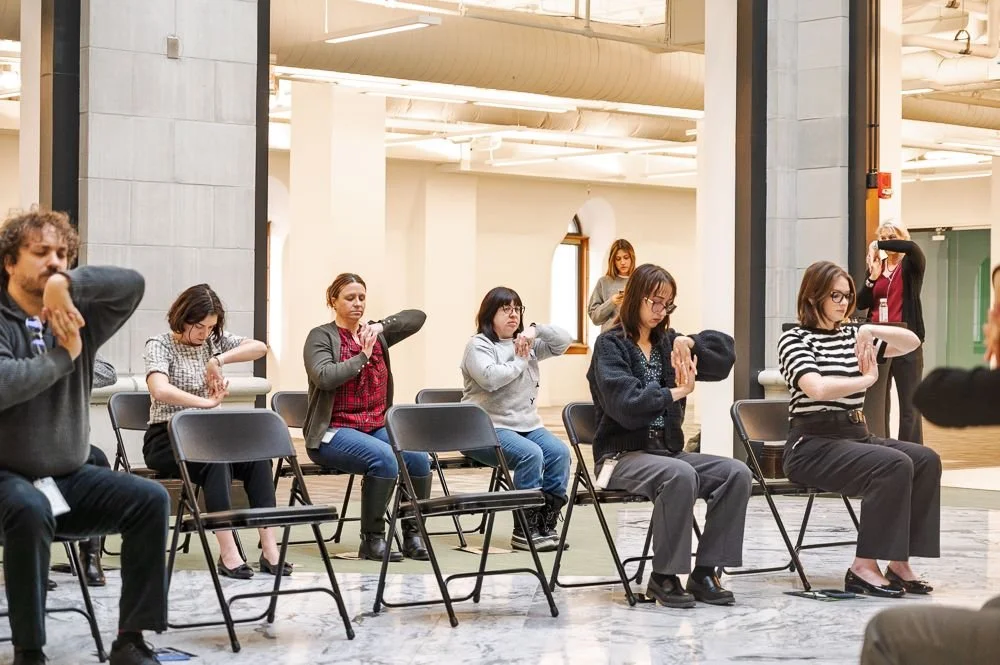
We built Maia Wellness around a different model. Sessions on the calendar, every week, at a time the team can count on.
Not an event, a practice.
THE RIPPLE EFFECT
WE HAVE SEEN WHAT HAPPENS
When one person in a team learns to regulate under pressure. They respond instead of react. They bring steadiness into difficult conversations. They recover faster from setbacks. They make better decisions and then go home and sleep better.
Now put that person next to eleven others who have the same tools.
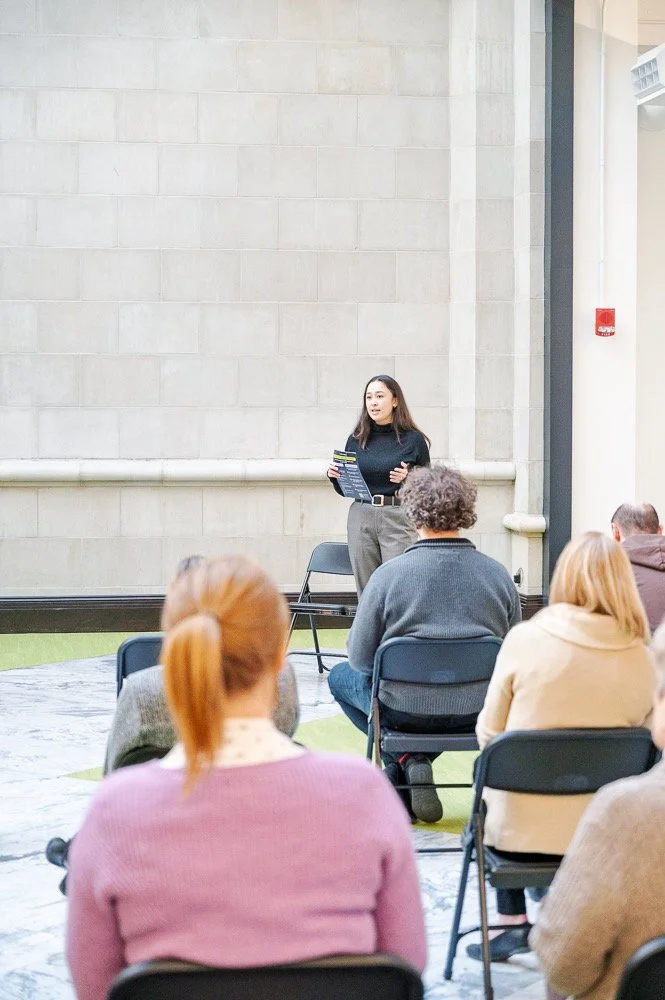
A TEAM THAT PRACTICES TOGETHER
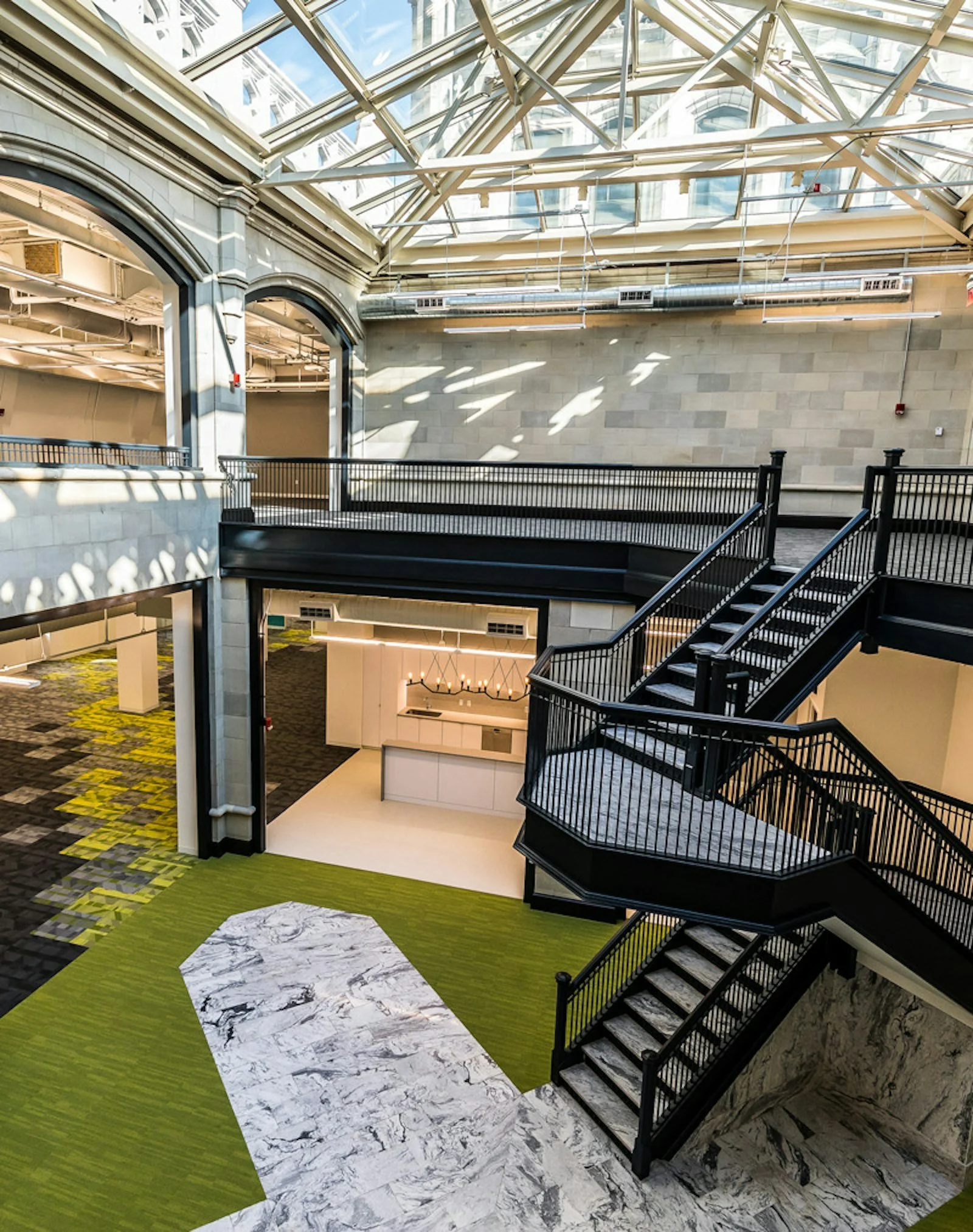
Builds a kind of cohesion that cannot be manufactured through a retreat agenda or a culture initiative. It develops through shared experience, repeated over time, until the practice becomes part of who they are as a group.

The team becomes more:
RESILIENT
CREATIVE
CAPABLE
And that is what the organization above them becomes too.
❋
THIS IS THE RIPPLE EFFECT WE ARE BUILDING WITH EVERY SESSION WE FACILITATE.

WE ARE NOT:
A gym membership your employees will stop using in February.
An app that sits unopened on a phone.
A one-day workshop that generates goodwill and no lasting change.
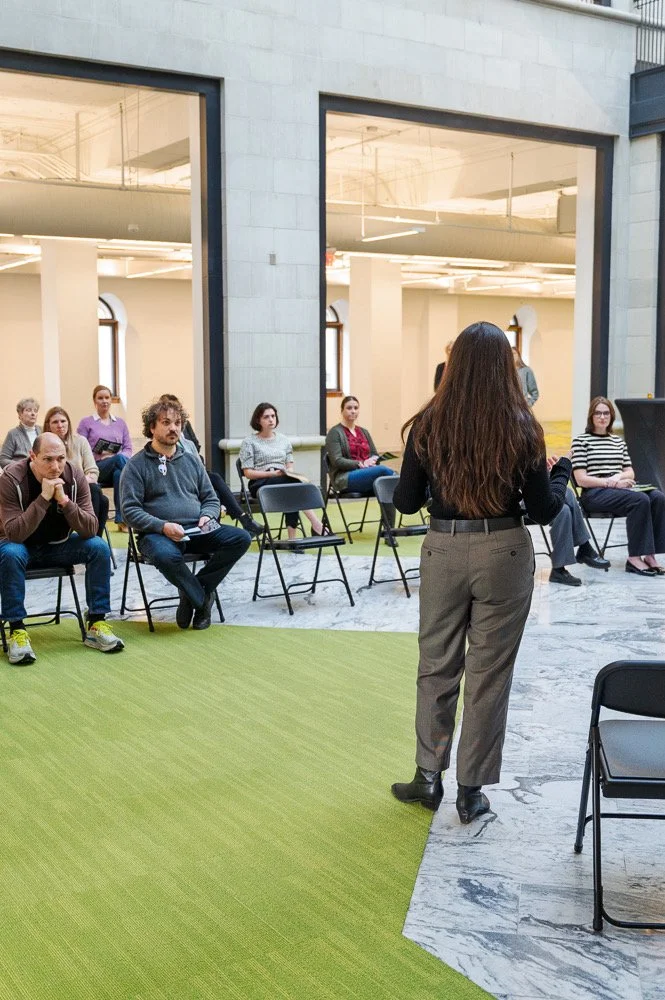
WE ARE:
CONSISTENT
So it becomes a practice.
EXPERT-LED
So it actually works.
PRACTICAL
So anyone can do it.
RIGOROUS
So it actually works.
STRUCTURED
So it does not depend on individual motivation to sustain itself.

WHO THIS IS FOR
ORGANIZATIONS
That take their people seriously.
LEADERS
Who understand that culture is not a byproduct of good intentions.
COMPANIES
That are ready to treat the wellbeing of their workforce not as a perk or a benefit but as the organizational strategy it actually is.